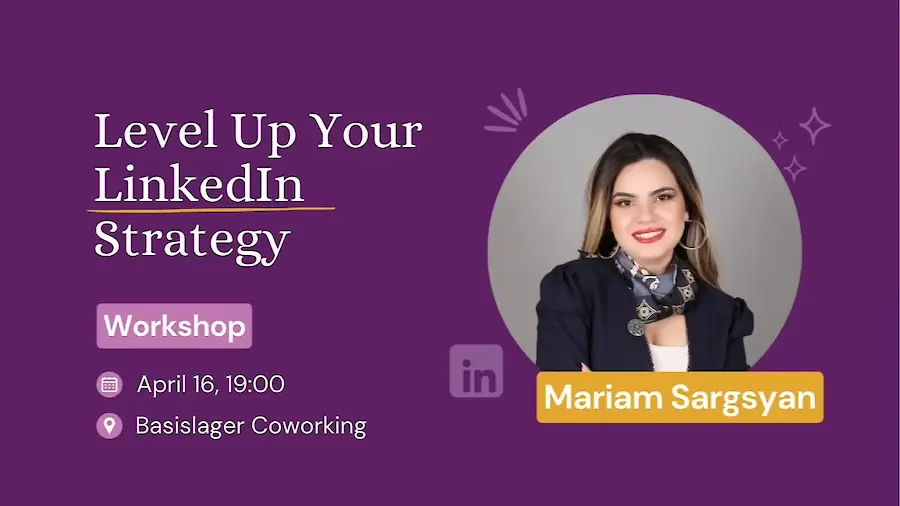
Speaker: Mariam Sargsyan - LinkedIn Expert | Connect with Marina on LinkedIn
Initial remarks
-
“Who googled me before the event?” – a reminder that your online presence matters.
-
Questions to reflect on:
-
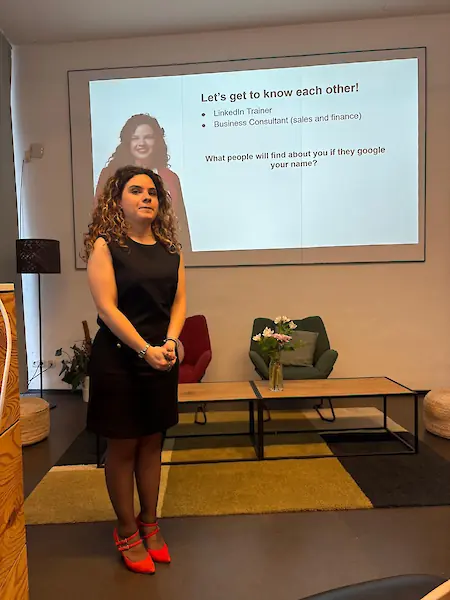
What would people find if they googled you?
-
What’s your superpower?
-
What do you expect from today’s session?
Why LinkedIn?
-
Best ROI in B2B marketing (see Slide 1).
-
Opportunity for certification visibility, targeted networking, and professional credibility.
-
Tools like Sales Navigator offer deeper targeting.
LinkedIn Profile Optimization
Top 3 Key Elements
-
Headline
-
First 6–8 words are most visible – make them count.
-
Each word acts as a keyword – add spaces around them.
-
Profile Photo
-
High-quality, professional, friendly.
-
Banner
-
Visual storytelling – reflect what you offer.
-
Use brand colors & fonts, include a CTA (e.g., “Check Featured Section”).
Other Profile Tips
-
Add important links (Website, Calendly, Resume).
-
Use “Open for Work” selectively (especially for <5 years of experience).
-
“About Me” Section:
-
Repeat important keywords 3x.
-
Structure text for F-pattern reading.
-
End with a clear call-to-action (e.g., how to connect).
-
Skills Section:
-
Fill up to 100 keywords—include variations.
-
Pull from job ads to find relevant ones.
-
Top-endorsed skills appear automatically.
-
Experience Section:
-
Short descriptions (2 lines); keywords matter.
-
Add media or links for social proof.
-
Education:
-
Include only formal higher education.
-
Move bootcamps or online courses to "Courses".
-
Recommendations:
-
Can show/hide.
-
Use them to boost credibility.
-
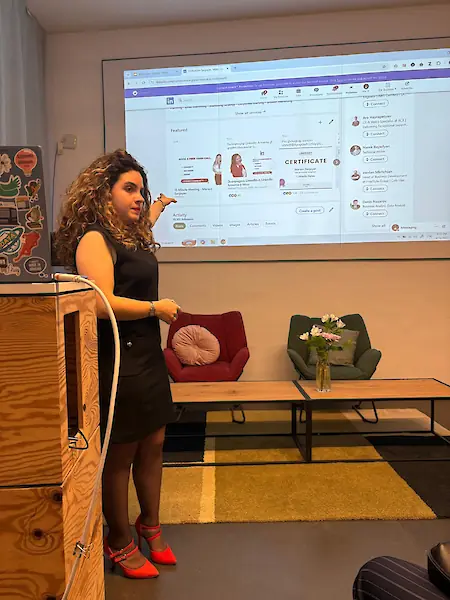
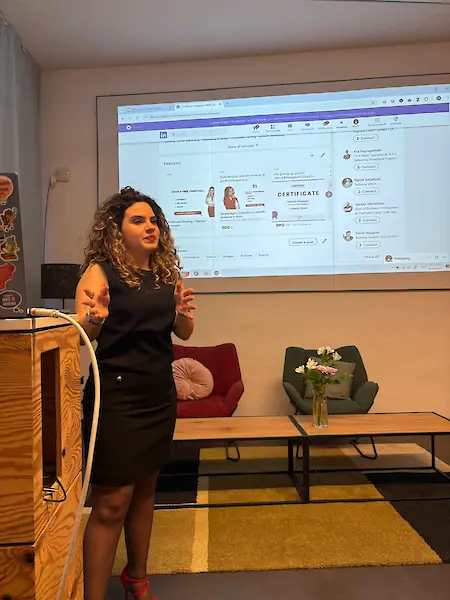
Featured Section:
-
Include content for both cold & warm audiences.
-
Add certifications, media, or lead magnets.
Your LinkedIn Strategy
Key Reminders (Slide 1):
-
Not everyone is your audience.
-
Not every individual is a potential customer.
-
Know your UVP (Unique Value Proposition) and USP (Unique Selling Proposition).
Content Process (Slide 2):
-
Content Strategy
-
Define target audience, positioning, messaging, content pillars, and manifesto.
-
Content Planning
-
Research, timeline, objectives, budget, channels.
-
Content Creation
-
Ideation, styling, formats, repurposing, feedback.
Tip: Most businesses start at the end (content creation), but should begin with strategy.
Posting & Engagement Tips
-
Post at least 1–2x/week, always same day/time.
-
Avoid posting after 6–8pm.
-
Warm up your audience with consistent, valuable content (Slide 5).
-
Use certificates for credibility—LinkedIn promotes them.
-
Use Excel lists to target posts (even with free plan).
Website & External Links
-
Add clear CTAs to your website.
-
Include booking links or free offers.
-
Keep portfolio links easily accessible.